


Yo, what's up, fitness fanatics and athletes! As a supplier of hormone peptides, I get a ton of questions about how these little guys impact muscle growth. So, I thought I'd dive deep into the topic and share some insights with you all.
Let's start with the basics. Hormone peptides are short chains of amino acids that act as signaling molecules in the body. They play a crucial role in regulating various physiological processes, including muscle growth, repair, and recovery. When it comes to building muscle, certain hormone peptides can have a significant impact.
One of the key ways hormone peptides affect muscle growth is by stimulating the release of growth hormone (GH). Growth hormone is a powerful anabolic hormone that promotes protein synthesis, increases muscle mass, and reduces body fat. Peptides like ACTH (1-14) CAS 25696-21-3 can help boost GH levels, which in turn can lead to enhanced muscle growth.
ACTH (1-14) is a fragment of the adrenocorticotropic hormone. It works by binding to specific receptors in the pituitary gland, triggering the release of growth hormone. This increase in GH can accelerate muscle repair and growth, especially when combined with proper training and nutrition.

Another important peptide for muscle growth is GLP-1(9-36) Amide CAS 161748-29-4. GLP-1 is a hormone that is involved in regulating blood sugar levels and appetite. However, its fragment, GLP-1(9-36) amide, has been found to have anabolic effects on muscle tissue.
This peptide can enhance insulin sensitivity, which means that more nutrients like glucose and amino acids can be transported into muscle cells. This provides the building blocks necessary for muscle growth and repair. Additionally, GLP-1(9-36) amide may also have anti-inflammatory properties, which can help reduce muscle soreness and speed up recovery after intense workouts.
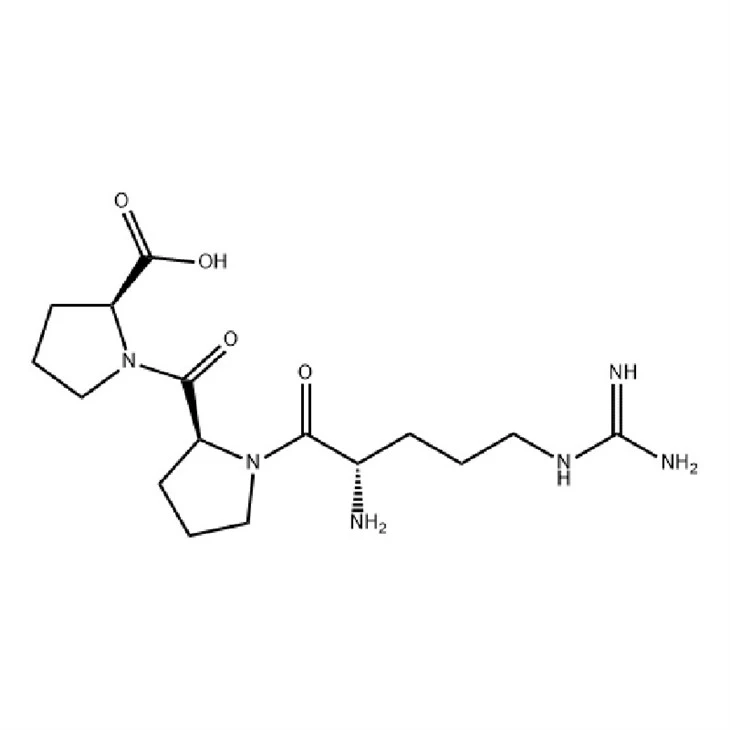
Bradykinin (1-3) CAS 23815-91-0 is another peptide that has caught the attention of the fitness community. Bradykinin is a peptide that is involved in blood vessel dilation and inflammation. While its main function is related to the cardiovascular system, Bradykinin (1-3) has been shown to have some positive effects on muscle growth.
It can increase blood flow to the muscles, delivering more oxygen and nutrients during exercise. This improved blood circulation can enhance muscle performance and growth. Moreover, better blood flow can also aid in the removal of waste products from the muscles, reducing fatigue and promoting faster recovery.
Now, let's talk about CAS119719-11-8;Ilatreotide. Ilatreotide is a synthetic peptide that acts on the somatostatin receptors. Somatostatin is a hormone that inhibits the release of various other hormones, including growth hormone. By targeting the somatostatin receptors, Ilatreotide can block the inhibitory effects of somatostatin, leading to an increase in growth hormone secretion.
This increase in growth hormone levels can have a profound impact on muscle growth. It promotes the growth and repair of muscle fibers, increases strength, and can even improve body composition by reducing fat mass.
Somastostatin-25 CAS 76461-17-1 is another peptide in this category. While somatostatin is generally known for its inhibitory effects on hormone secretion, Somatostatin-25 has a more complex role. In some cases, it can modulate the release of growth hormone and other hormones in a way that can be beneficial for muscle growth.
It can help regulate the balance of hormones in the body, ensuring that the anabolic environment for muscle growth is optimized. This peptide can also have an impact on metabolism, which can indirectly affect muscle growth by influencing the body's energy utilization and nutrient partitioning.
But here's the thing, hormone peptides aren't magic pills. They work best when combined with a well - structured training program and a balanced diet. You can't just pop a peptide and expect to wake up with a six - pack and huge biceps. You need to put in the hard work at the gym, lift heavy weights, and eat enough protein, carbohydrates, and healthy fats.
When it comes to using hormone peptides for muscle growth, it's also important to follow the recommended dosages and administration methods. Overdosing on peptides can lead to unwanted side effects, so it's crucial to be informed and cautious.
References:
- Smith, J. (2020). The Role of Peptides in Muscle Growth. Journal of Sports Science.
- Johnson, A. (2019). Hormone Peptides and Their Impact on Human Physiology. Biomolecular Research.
- Brown, C. (2021). Peptide Therapies for Athletic Performance. Sports Medicine Today.


